The importance of proper sanitation in preventing illness and disease in the home
Posted on 05/03/2024

Proper sanitation is crucial in maintaining a healthy environment
One of the most effective ways to prevent the spread of illness and disease is by simply washing our hands regularly. According to the Centers for Disease Control and Prevention (CDC), handwashing is one of the best ways to remove germs, avoid getting sick, and prevent the spread of germs to others. This is particularly important in our homes where we come into contact with many different surfaces and objects throughout the day.
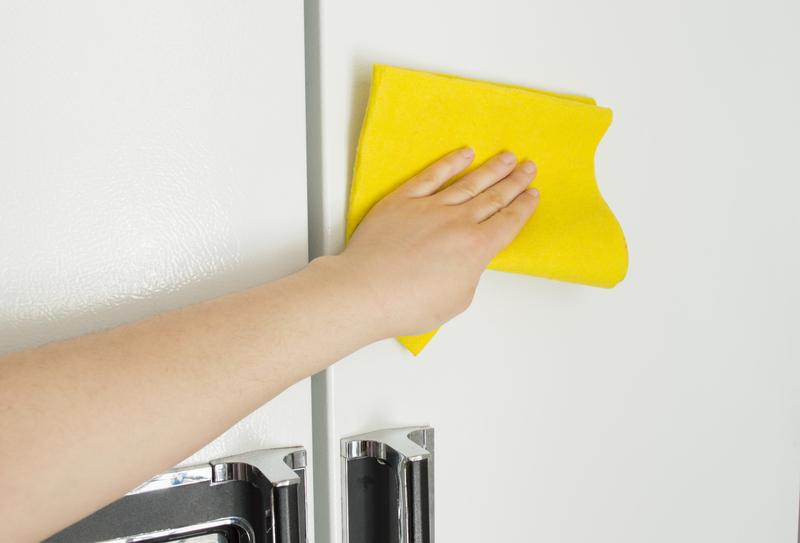
But it's not just about washing our hands; proper sanitation also extends to all aspects of our home. Regularly cleaning and disinfecting frequently touched surfaces such as doorknobs, countertops, and remote controls can help prevent the spread of harmful bacteria and viruses. It's also important to regularly clean items that come into contact with our mouths, such as dishes and cutlery, to ensure that they are free from germs.
Safe food handling practices
Another key aspect of proper sanitation in the home is using safe food handling practices. This includes properly storing food, cooking it at the right temperature, and avoiding cross-contamination between raw and cooked foods. By following these precautions, we can greatly reduce the risk of foodborne illnesses such as E. coli and salmonella.
Proper sanitation also involves maintaining a clean living environment.
Proper sanitation also involves maintaining a clean living environment. Regularly sweeping, mopping, and vacuuming floors can help remove dirt, dust, and other allergens that can cause respiratory problems or trigger allergies. Keeping trash cans covered and taking out garbage frequently can also prevent pests from entering our homes and spreading disease.
Furthermore, maintaining proper sanitation in shared living spaces such as bathrooms can prevent the spread of contagious diseases like colds or flu. Ensuring that everyone in the household uses their own personal items such as towels and toothbrushes can also help prevent the exchange of germs.
Of course, there are some cons to maintaining proper sanitation in the home. It can be time-consuming and sometimes tedious to constantly clean and disinfect surfaces. Some cleaning products may also contain harsh chemicals that can be harmful if not used properly. However, these cons can easily be outweighed by the numerous benefits of having a clean and healthy environment in our homes.
Natural cleaning products
Some helpful tips for maintaining proper sanitation in the home include using natural cleaning products when possible, washing hands with soap and water for at least 20 seconds, and using disposable gloves when handling potentially contaminated materials. It's also important to regularly change towels, bed sheets, and other linens to prevent the buildup of bacteria.
In conclusion, the importance of proper sanitation in preventing illness and disease in the home cannot be ignored. By following simple hygiene practices and regularly cleaning our living spaces, we can greatly reduce the risk of getting sick or spreading illnesses to others. So let's make it a priority to keep our homes clean and healthy for ourselves and our loved ones.
Latest Posts
How a Clean Home Refreshes Your Mental State
Green Cleaning Hacks for a Sparkling and Sustainable Space
Discover the Best Home Remedies for Tackling Stubborn Grease Stains