Removing Stubborn Hair Dye Marks
Posted on 06/10/2024
Hair dyeing is a popular practice that allows us to express individuality and revamp our appearance. However, with all its benefits, hair dyeing can bring some pesky problems, like those stubborn dye marks on skin, clothes, and surfaces. If you've encountered these issues, you're not alone. This article will provide practical tips on removing stubborn hair dye marks effortlessly.

Understanding the Composition of Hair Dye
To effectively remove hair dye marks, it's essential to understand what you're dealing with. Hair dyes contain a mixture of chemicals, including colorants such as paraphenylenediamine (PPD), resorcinol, and ammonia. These chemicals allow the dye to penetrate the hair shaft but also make it tricky to remove from other surfaces.
Removing Hair Dye from Skin
1. Soap and Water: The simplest method is washing with soap and water immediately after the spill. This works best if the dye hasn't had time to set.
2. Olive Oil or Baby Oil: Oils are fantastic for breaking down dye molecules. Apply the oil to a cotton pad and rub it over the affected area. You can leave it on for an hour before washing it off with soap.
3. Baking Soda and Dish Soap: Create a paste with baking soda and a bit of dish soap. Apply it to the stained area and gently scrub with a soft cloth or toothbrush.
4. Toothpaste: Non-gel toothpaste contains mild abrasives that can help scrub away dye without damaging the skin. Apply a small amount and rub it in a circular motion.
Removing Hair Dye from Clothing
1. Cold Water Rinse: Act quickly by rinsing the stained area with cold water. This helps to dilute the dye before it sets in.
2. Liquid Laundry Detergent: Apply liquid detergent directly to the stain and rub it in. Let it sit for 5-10 minutes before rinsing with cold water. Repeat as necessary.
3. White Vinegar and Baking Soda: Combine vinegar with baking soda to form a paste. Apply this mixture to the stain and let it sit for 30 minutes. Wash the garment as usual.
4. Commercial Stain Removers: Products like OxiClean are designed to tackle difficult stains. Follow instructions on the label for best results.
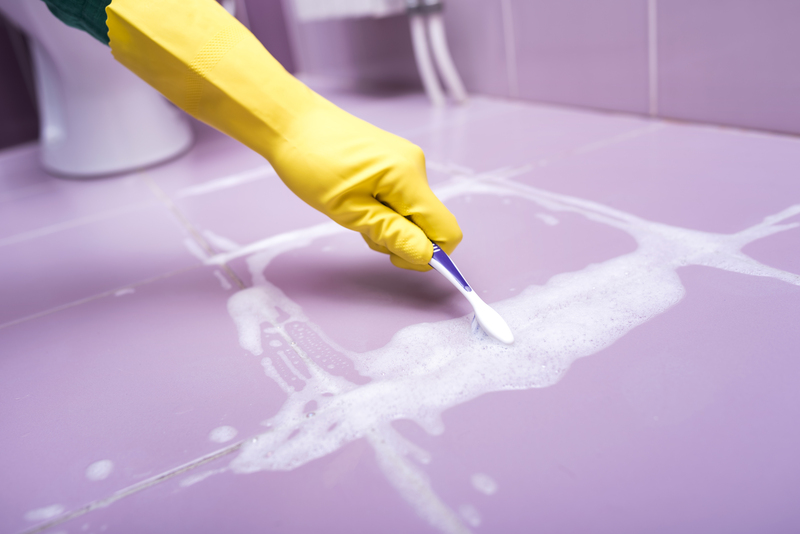
Removing Hair Dye from Surfaces
1. Rubbing Alcohol: Dab a cotton pad with rubbing alcohol and gently rub the stained surface. Test on a small, inconspicuous area first to ensure it won't damage the material.
2. Baking Soda Paste: Create a thick paste using baking soda and water. Apply it to the stained area and scrub gently with a cloth.
3. Hydrogen Peroxide: For stubborn stains on countertops or tiles, hydrogen peroxide can work wonders. Apply a small amount to the stain, let it sit for a few minutes, then wipe away.
4. Magic Eraser: These sponges can be highly effective for scrubbing off dye marks from hard surfaces like sinks and countertops.
Pros and Cons of Various Methods
Pros:
1. Accessibility: Most of the remedies suggested use items readily available at home.
2. Cost-Effective: These DIY solutions are inexpensive compared to professional products.
3. Effectiveness: Many of these methods are highly effective if applied promptly and correctly.
Cons:
1. Time-Consuming: Some methods require multiple applications or extended time to act on stains.
2. Varying Success Rates: Effectiveness can vary based on the dye type and surface material.
3. Potential Damage: High abrasiveness or incorrect application can harm the skin or materials.
Tips for Preventing Hair Dye Marks
1. Use Barriers: Apply petroleum jelly or thick creams along the hairline and ears to prevent skin stains.
2. Protective Clothing: Wear old clothes or a protective cape to shield your garments.
3. Cover Surfaces: Lay down old towels or newspapers on the counters and floors to avoid spills.
4. Gloves: Always wear gloves to protect your hands from stains.
Takeaways
1. Immediate Action: The sooner you treat the dye mark, the easier it will be to remove.
2. Test First: Always test a small area first to ensure that your chosen method won't damage the surface.
3. Repeat if Necessary: Sometimes, multiple treatments are required for full removal.
Conclusion
Dealing with stubborn hair dye marks doesn't have to be a headache. With a little knowledge and timely action, you can effectively remove stains from your skin, clothes, and other surfaces using common household items. Always remember to act quickly, test your methods, and repeat treatments if necessary for the best results.
Take charge of your hair dyeing adventures confidently, knowing that you can tackle any stains that come your way!
Direct Solutions for Removing Stubborn Hair Dye Marks
For skins: Olive oil, Baking soda and dish soap paste
For clothing: Cold water rinse, White vinegar and baking soda paste
For surfaces: Rubbing alcohol, Magic eraser
Latest Posts
How a Clean Home Refreshes Your Mental State
Green Cleaning Hacks for a Sparkling and Sustainable Space
Discover the Best Home Remedies for Tackling Stubborn Grease Stains